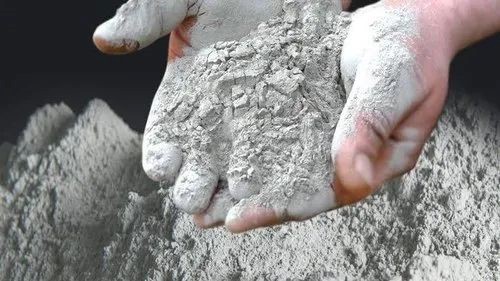
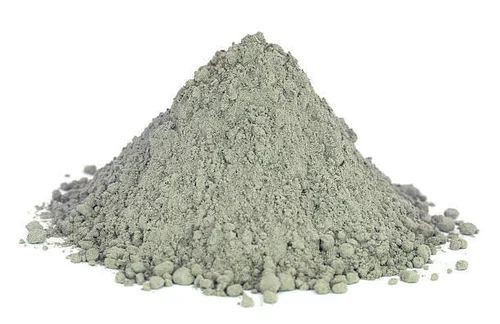
Extracted from flue gases through Electrostatic Precipitator, this fine material possesses excellent pozzolanic properties, enhancing the strength and durability of construction materials.

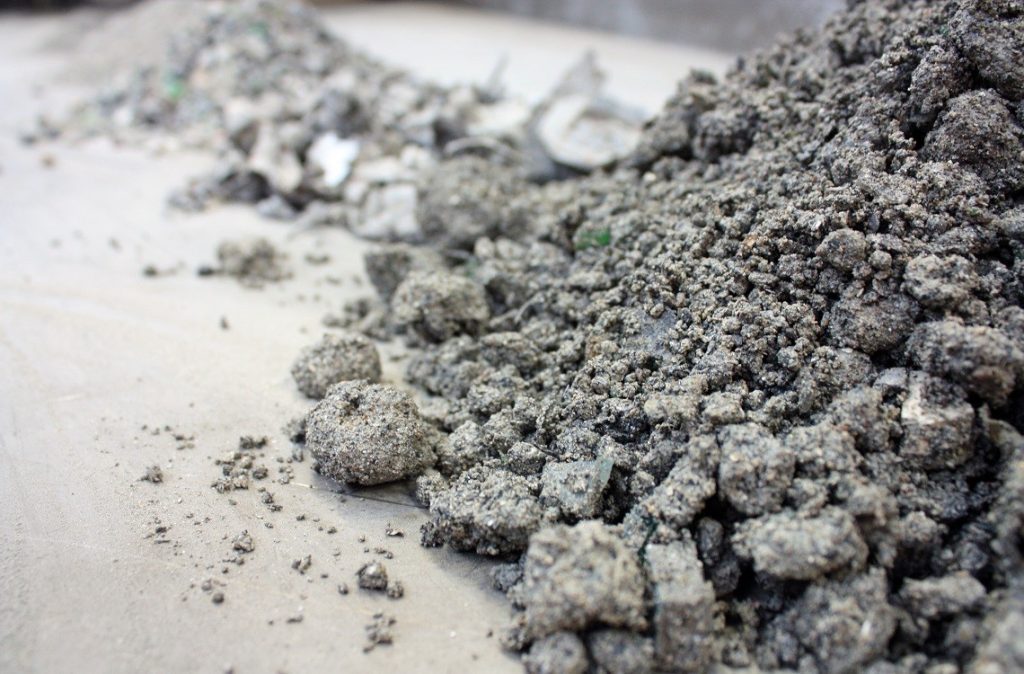
Collected in the bottom of boiler furnaces, this coarse material contains higher un-burnt carbon and is commonly used in road construction and embankments.
A mixture of Fly Ash and Bottom Ash, combined with water to form a slurry and deposited in ponds, facilitating its storage and management.
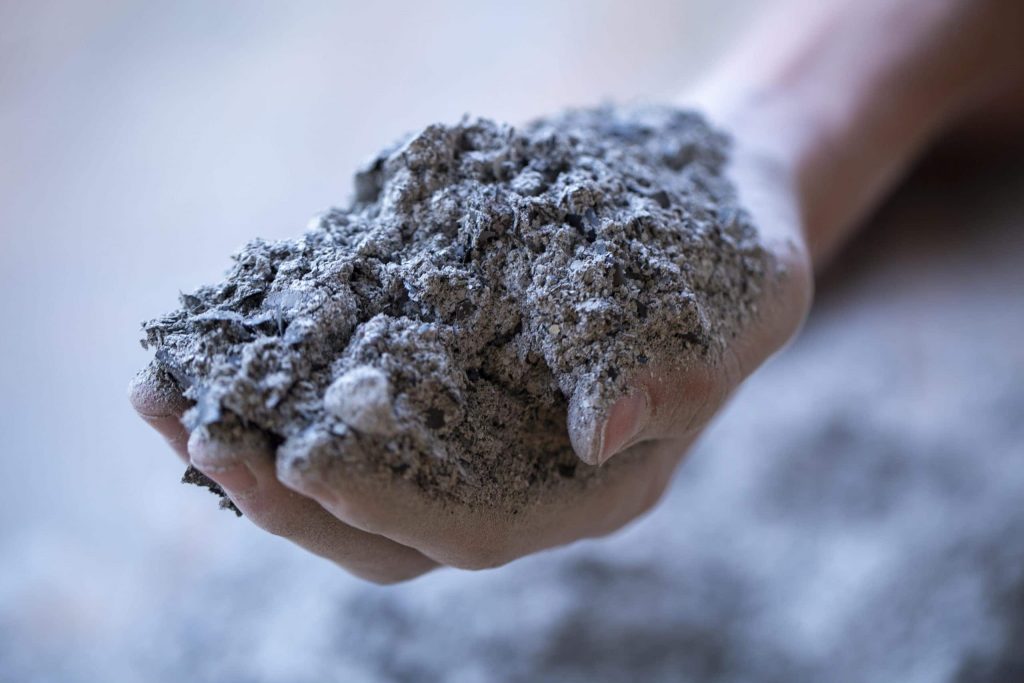
Fly ash is a fine powder produced from coal combustion in power plants. It contains silica, alumina, and iron oxide, making it a valuable supplementary cementitious material for concrete production. By replacing a portion of cement in concrete mixtures, fly ash enhances strength, durability, and workability while reducing environmental impact. Its pozzolanic and hydraulic properties improve long-term performance, making it a key component in sustainable construction practices.
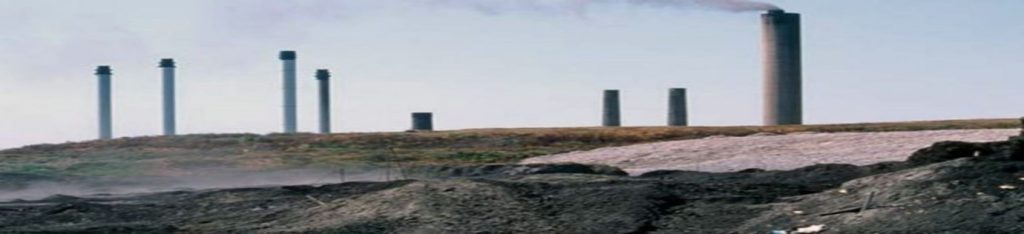
Fly Ash, originating from thermal power plants, undergoes a meticulous journey to reach its destination in construction projects. Initially collected and stored on-site, it is then loaded onto trucks, railcars, or barges for transportation. Upon arrival, it is carefully unloaded and processed before being utilized in construction applications such as concrete production or road construction. Throughout this process, adherence to safety and environmental regulations ensures responsible handling and utilization of Fly Ash.
Fly Ash, a byproduct of coal combustion, presents as a fine, powdery substance with a grey hue. Its spherical shape, coupled with its rich composition of silica and alumina, makes it a versatile material for various applications in construction.
• Sustainable resource
• Waste reduction
• Enhanced performance
• Economic benefits
• Concrete production
• Mortar and grout
• Soil stabilization
• Fill material
• Produced through coal combustion
• Captured using electrostatic precipitators or bag houses
• Stored and processed for various applications
• Reduces carbon emissions
• Conserves natural resources
• Ensures regulatory compliance
• Ongoing efforts to explore new applications
• Advances in technology for enhanced performance
At Casila Infracon, we prioritize quality assurance through advanced technological processes. Our Fly Ash undergoes rigorous classification and processing to ensure optimal particle size distribution, resulting in a consistent and controlled product. Complying with international standards such as BS EN 450 S, ASTM C 618 Class F, and IS 3812 Grade 1, we guarantee the highest standards of quality, process control, and product consistency.
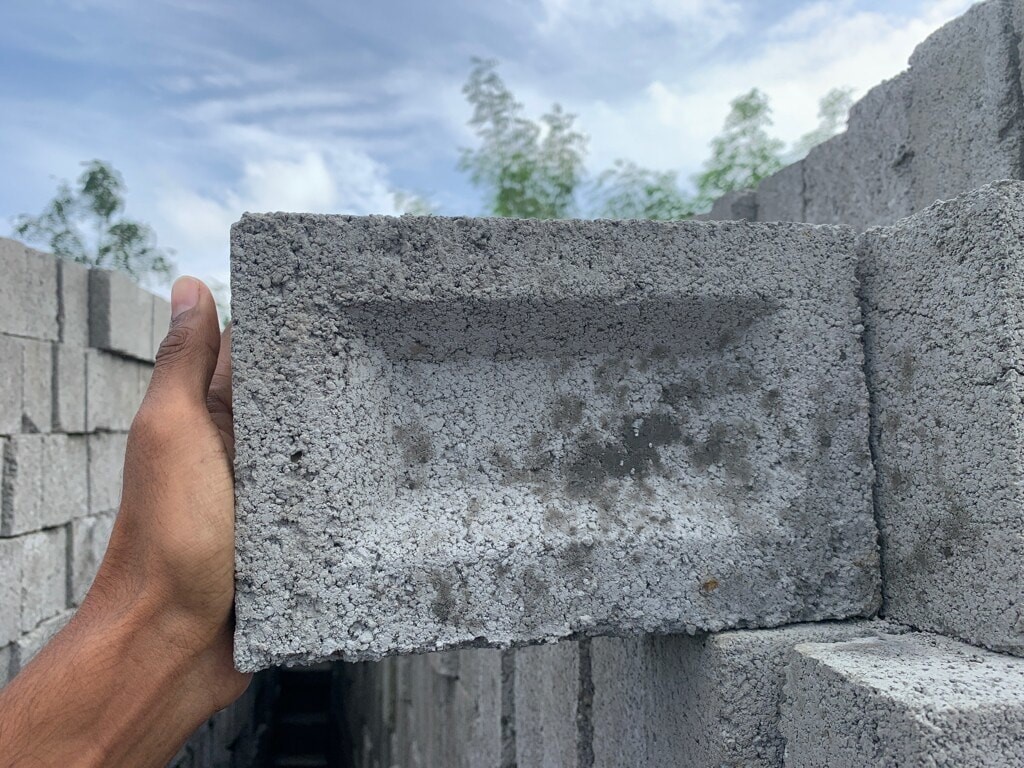
Fly Ash offers a plethora of advantages when incorporated into concrete mixtures. It enhances workability, reduces permeability, and lowers the heat of hydration, making it ideal for various construction projects. Additionally, its pozzolanic properties contribute to improved sulfate and chloride resistance, increased long-term strength, and minimized shrinkage, ensuring the durability and longevity of concrete structures.
Beyond its technical advantages, Fly Ash plays a crucial role in promoting environmental sustainability. By utilizing this byproduct of coal combustion, we contribute to waste reduction and resource conservation. Furthermore, its incorporation into construction materials reduces carbon emissions and helps mitigate the environmental impact of construction activities.
Casila Infracon continuously invests in research and development to explore innovative applications for Fly Ash. From enhancing concrete performance to developing eco-friendly building materials, we are committed to pushing the boundaries of sustainability in construction. Our dedication to innovation ensures that we stay at the forefront of the industry, delivering cutting-edge solutions that meet the evolving needs of our clients and the environment.
| Property | Description |
| Composition | Primarily composed of silica, alumina, and iron oxide |
| Particle Size | Fine, powdery consistency with particle sizes typically ranging from 1 to 100 microns |
| Color | Grey, with variations depending on the source of the coal and combustion process |
| Pozzolanic Activity | Exhibits pozzolanic properties, enhancing the strength and durability of concrete |
| Production Process | Byproduct of coal combustion in thermal power plants, collected from flue gases |
| Environmental Benefits | Reduces carbon emissions when used as a replacement for cement in concrete |
| Applications | Widely used in concrete production, mortar and grout, soil stabilization, and fill material |
| Regulatory Standards | Complies with international standards such as BS EN 450 S, ASTM C 618 Class F, and IS 3812 Grade 1 |
| Availability | Abundantly |